

First of all let’s establish what a meltdown is (in relation to autism). A meltdown is where the person with autism while trying to cope with overwhelming feelings, caused by circumstances, totally loses control.
It can present in different ways – shouting, tears, stimming (repetitive body movements like flapping etc) covering ears and so on.
A meltdown (normally experienced by children on the autism spectrum or other sensory challenges) is an experience that the child cannot control unlike a tantrum which is to an extent within the control of the child. With a meltdown, the child is so overwhelmed that they struggle to control their reactions.
So please ignore any suggestions that infer the child is being naughty or that you aren’t doing a good job as a parent.
Here are some tips and resources to help with what can be a very difficult and upsetting situation.
It is so important that you immediately reduce or remove whatever is triggering the meltdown. If its a place, leave. If its noise – reduce or cancel out. If its lights, dim them or put on sunglasses/eye mask. If leaving is not immediately possible, provide an environment (sensory corner) or resource to help your child cope. Remove any object that might prove dangerous at this point.
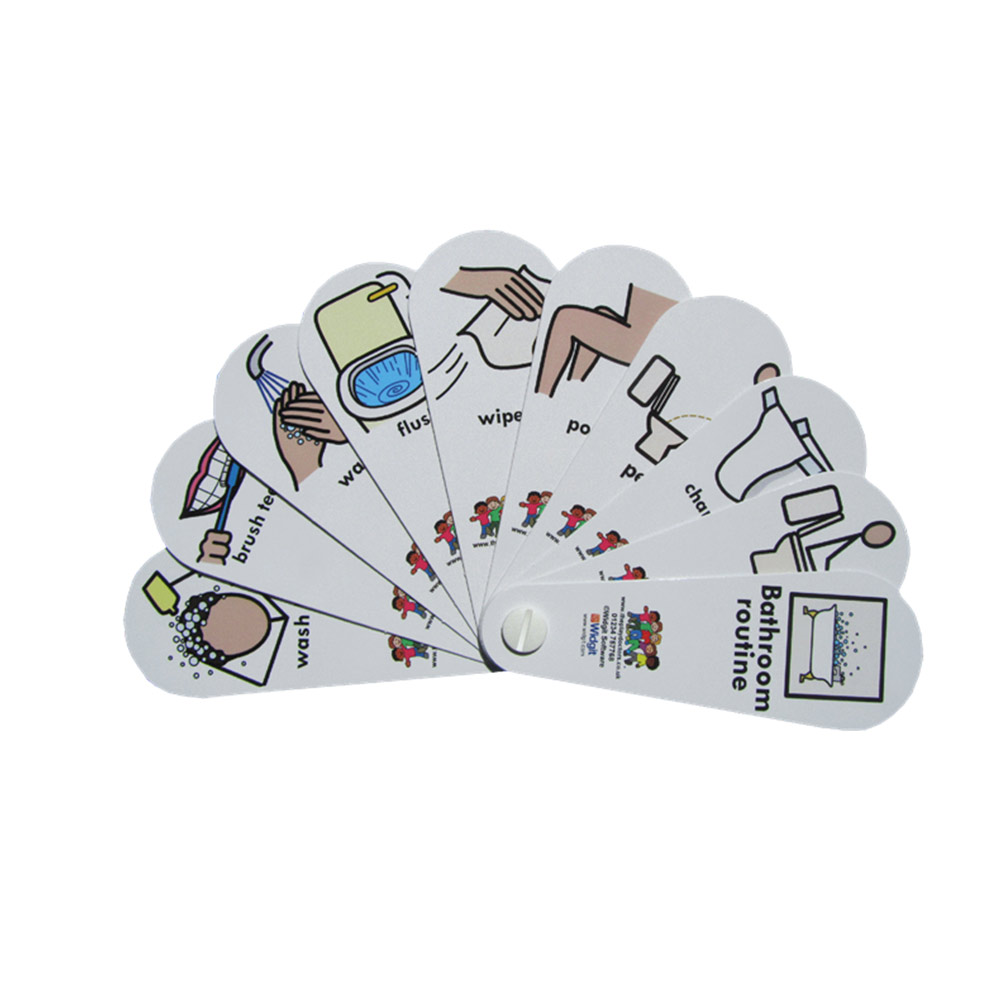
The best type of meltdown is an avoided one. If you are introducing your child to a new experience – for instance going to a dentist for the first time – you can do up a visual schedule or social story to prepare your child. This can help the build up of emotions that can lead to a meltdown.
You can engage in some coping exercises like deep breathing when your child is not in meltdown mode that you can move into once a meltdown is incoming.
Here are some resources that can help calm a child cope with a meltdown.
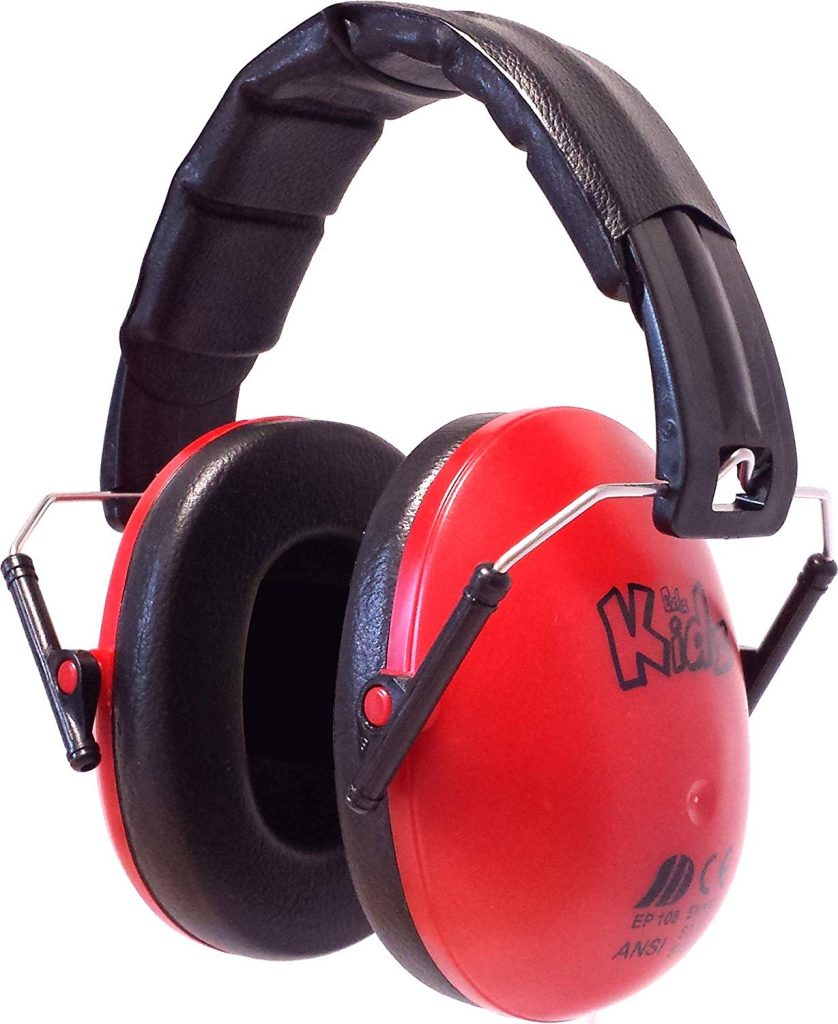
1. Noise cancelling headphones to reduce background noise
https://rhimamory.com/product/ear-defenders/
2. Weighted vest/lap pad etc – like Theo the Therapy Dog, a plush toy that doubles as a weight. The lavender scent also helps provide that calming effect.

https://rhimamory.com/product/theo-the-therapy-dog/
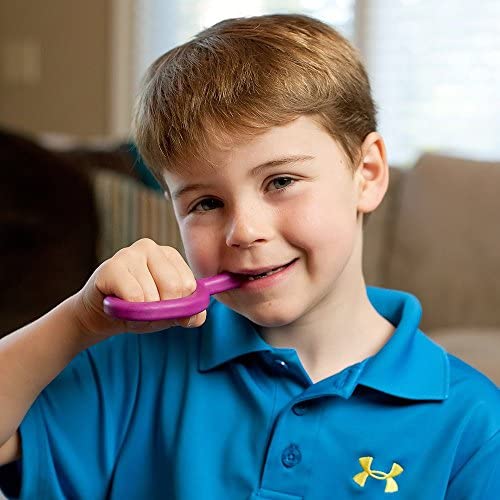
3. Chewy tube – This can help as a distraction especially for children who tend to seek oral sensory input.

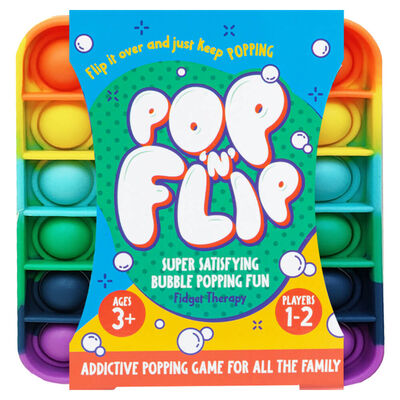
4. Fidget toys – are toys that can keep your child busy and help distract while soothing at the same time. They can be fidgets for the hands like pop it fidget
https://rhimamory.com/product/pop-n-flip-fidget/

https://rhimamory.com/product/tangle-toy/
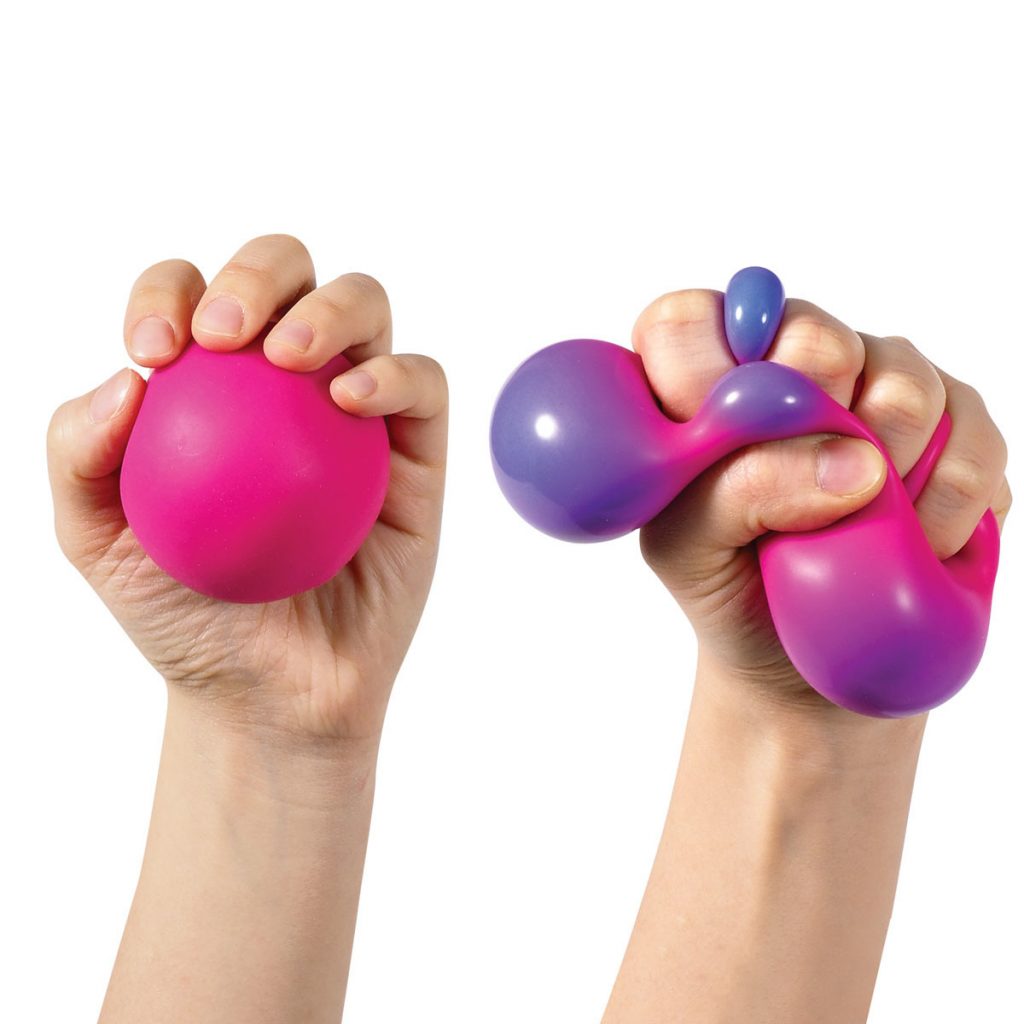
https://rhimamory.com/product/color-nee-doh/

or visually engaging like a sand timer, sensory bottles etc


5. Comfort items – like a favourite snack, a handkerchief with their favourite perfume sprayed on it, bubbles – anything your child really likes.
We hope these tips and resources are helpful.